
What is the tragedy of the commons? Hardin’s idea, real examples from cod to CO2, Elinor Ostrom’s 8 design principles, and solutions that work.
National Councils for Sustainable Development
WSSD – World Summit for Sustainable Development
What Is Ecotourism? Principles, Examples, Greenwashing
What is ecotourism? Learn its 8 core principles, real examples from Costa Rica to Palau, its downsides, and how to spot greenwashing before you book.
Solarpunk: The Hopeful Vision of a Sustainable Future
What is solarpunk? Origins, core ideas, architecture, solarpunk vs. cyberpunk, real-world projects, criticisms, and how you can help build it.
The Phosphorus Cycle: Steps, Human Impact and Why It Matters
Learn how the phosphorus cycle moves through rocks, soil, water, and life—and how fertilizer runoff can disrupt ecosystems.
Anthropogenic: Meaning, Examples and Effects on the Planet
Learn what anthropogenic means, how human activities affect climate and wetlands, and why the term matters for understanding planetary change.
Regional sustainable development networks: Africa, Asia-Pacific, the Americas and Europe
Sustainable development work is organised by region as much as by country. An overview of the regional bodies and where their reports can be found today.
National Councils for Sustainable Development: what they were and what replaced them
How the national councils that grew out of the 1992 Earth Summit worked, why the global network faded, and where that work continues today.
Agenda 21, Chapter 18: protecting freshwater resources
Chapter 18 of Agenda 21 set out the first global programme for freshwater management. Here is what it asked for and how the water agenda looks today.
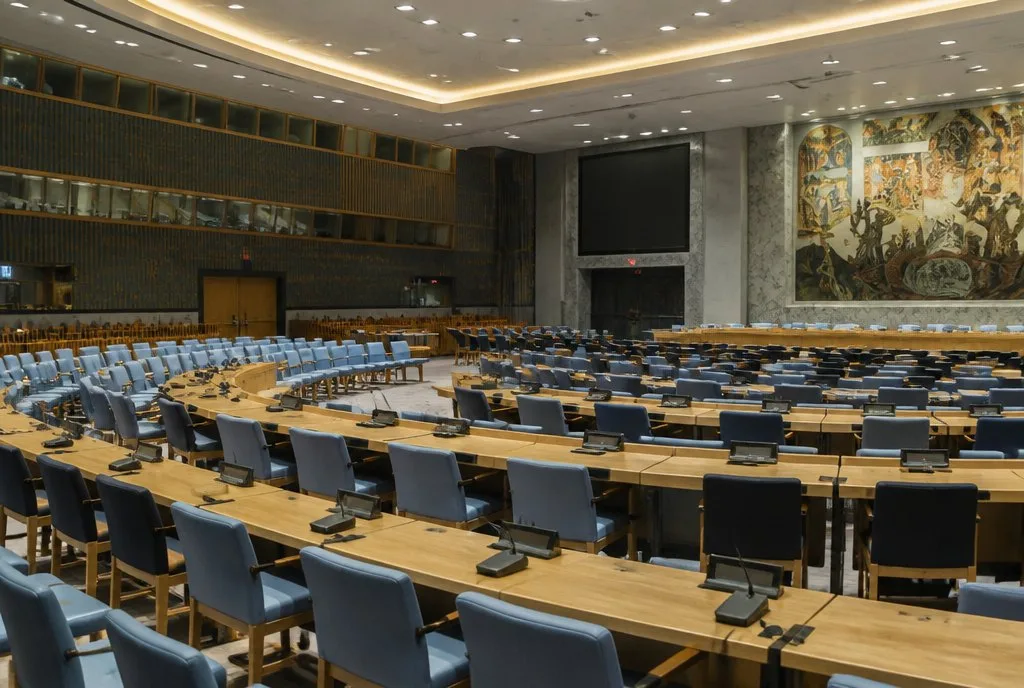
The World Summit for Sustainable Development (WSSD) refers to a summit that occurred in Johannesburg in the last week of August and first week of September 2002.
It was held under the auspices of the United Nations and was a follow up to similar summits that had taken place in Stockholm, Sweden, 1972 and in Rio de Janeiro, Brazil, 1992, where the name Earth Summit was first coined.
WSSD looked to follow up on where Rio had left off, and also sought to examine any forgotten lessons from Stockholm. The world had changed considerably since the Rio de Janeiro summit, and against this backdrop, five areas formed the basis of the summit: 1) Water and sanitation 2) Energy 3) Human health 4) Agricultural productivity 5) Biodiversity and ecosystem management.
The summit was held in a much less optimistic atmosphere than the previous two summits, due to the geo-political situation at the time as well as the obvious lack of political willpower on the part of the developed world to keep to the agreements of the Rio de Janeiro.
Sustainability was the catch phrase of the WSSD, and even as it drew to a close, the organizers looked to come up with ways of binding the participants into agreements that would actually be effective, particularly considering the ineffective nature of the resulting declarations from both Stockholm (The Stockholm Plan of Action) and Rio de Janeiro (Agenda 21). This led to the rather unique nature and structure of the Johannesburg Declaration.
The structure of the agreements within the declaration were referred to as ‘Type 2’ agreements and involved arrangements or Memorandums of Understanding between states and non-state players or Non-Governmental Organizations, as well as between states themselves and also, between NGOs. This was not only a response to the rather ineffectual agreements of the previous summits that states had largely ignored, but also a direct recognition of the greater role that non-state players like NGOs had in the world.
Some of the goals of the plan of Implementation ensconced in the Johannesburg Declaration include the establishment of a poverty eradication fund; reaffirmation of the UN Millennium Summit goal to cut in half the proportion of the world’s population living on less than a dollar a day as well as the number of people who lack clean drinking water and basic sanitation by 2015, and halving the number of people suffering from hunger.
WSSD has been criticized for being less ambitious and weaker than its predecessors, but it’s proponents argue that it was by far a summit with more realistic goals.
Sustainable development meets the needs of the present without compromising the ability of future generations to meet their own.